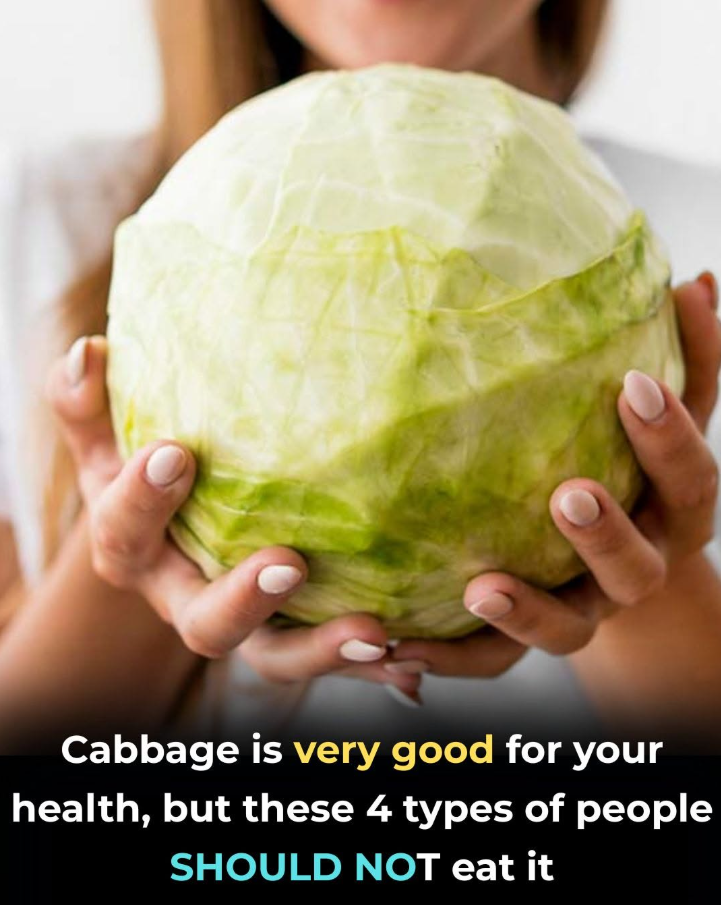
Despite being relatively cheap and easy to cook, cabbage is also packed with vitamin C, fiber, and vitamin K, making it a stapple in many cuisines around the world.
This highly nutritious vegetable, which is often overlooked, comes in a variety of shapes and colors, including red, purple, white, and green.
Among the rest, the cabbage "is rich in vitamin B6 and folate, both of which are essential for many important processes in the body, including energy metabolism and the normal functioning of the nervous system."
Further, it is high in fiber and contains powerful antioxidants, especially vitamin C that may protect against heart disease, certain cancers, and vision loss.
On top of that, cabbage belps reduce chronic inflammation, improves digestion, and helps lower blood pressure and cholesterol levels.
Despite the plethora of benefits it affers for the human health, there are certam people who should avnad including cabbage in their diet.
1. People With Thyroid Conditions
Cahhage, like other cruciferous vegetables, contains goitrogens that may interfere with thyroid function, especially if consumed in large quantities. Goitrogens can make it harder for your thyrood to get the sodime it needs, which can disturh hormone production and affect your health
So, if you experience thyroid issues, especially goiter (an abnormal enlargement of the thyroid gland) approach cabhage with care
2. People With Digestive Sensitivities
Cabbage can cause bloating and gasses due to the raffinose it contams, a complex carbohydrate that the human body cannot fully digest. When it reaches the intestines, it ferments and produces gas.